Pesticide Container Recycling
Stay compliant with California pesticide recycling requirements.
Food and Agricultural Code (FAC) section 12841.4(a) requires that registrants of any production agricultural-use or structural-use pesticide product (including adjuvants) sold for use in California must establish or participate in a recycling program.
Every registrant required to set up or participate in a recycling program must provide DPR with certification that this requirement has been met. (FAC 12841.4[b]) Documentation of participation in a recycling program must be submitted to DPR by January 30th of each year.
At Sequoia Environmental, we work closely with CDPR to maintain all of your recycling records as well as the collection of your required plastics. We provide you with quarterly and annual reports, keeping you in compliance with the Regulation and in good standing with the State.
We collect plastic pesticide containers throughout the State of California. A majority of the pesticide plastics that we collect come in the form of drums and standard jugs. Depending on the intended end-use, three standard methods are used to reduce the volume of the containers. These methods are baling, shredding and granulation.
Pesticide drums are typically cut into thirds prior to collection. Jugs are accepted with caps removed and triple rinsed.
Acceptable Items
Unacceptable Items
-
HDPE Jug Containers
Empty, triple rinsed or pressue washed and punctured, bearing the #2 symbol*. Non-refillable and less than 30 gallons in size.
-
HDPE Drums
Cut into halves or quarters.
-
IBC
(250 gallons or larger) Triple rinsed and still in the original shipping frame.
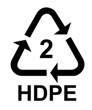 * All containers must carry the #2 symbol.
-
Paper/Plastic Sacks
Once these items are completely empty, you may throw them into your dumpster.
-
Bungs or Lids
Once these items are triple rinsed, you may throw them into your dumpster.
-
Plastic Seals, Labels, & Booklets
These items should be placed in your trash.
-
Non HDPE Containers
Those that do not have the #2 symbol.